Introduction
What if your most cherished object could become a gateway to better understanding of industrial design?
The Genesis of Replication:
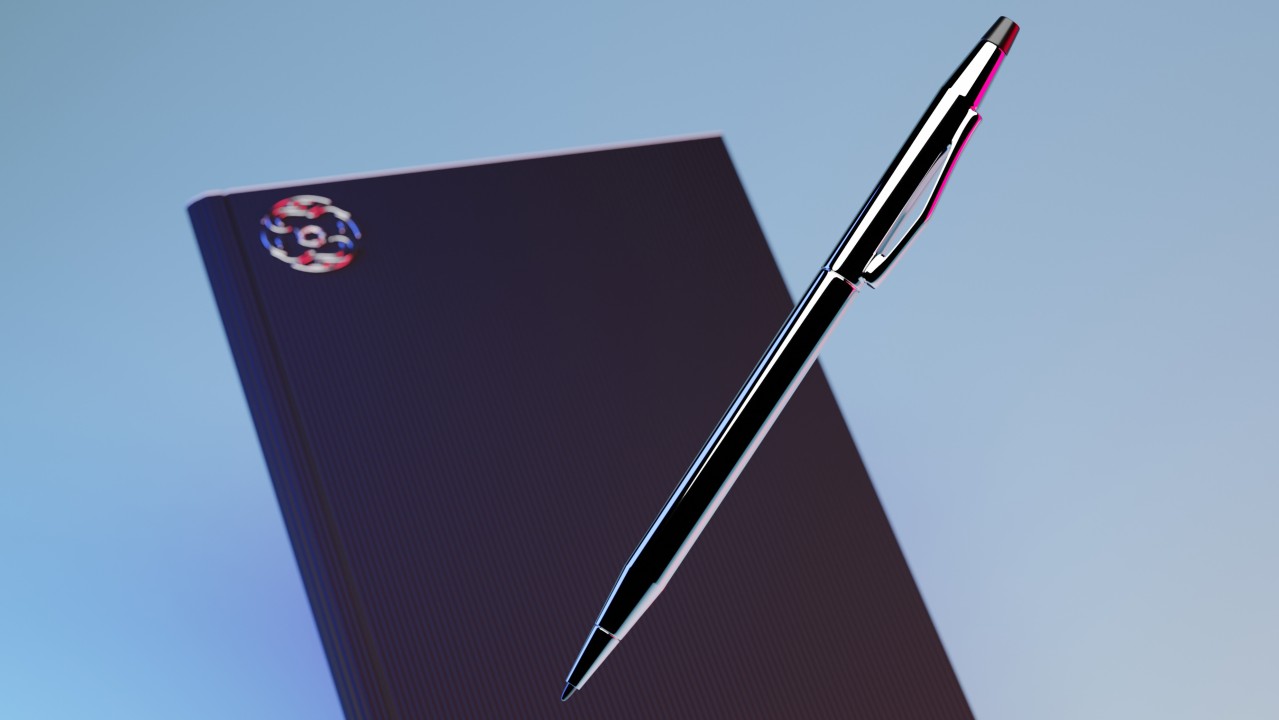
My dad gave me this pen years ago. Silver, minimal, and perfectly weighted. I've used it for sketches, notes, ideas I didn't want to forget, signing contracts. At some point it became proof that good design is paying attention to how something feels. Sounds obvious, but in the moment it is easy to overthink.
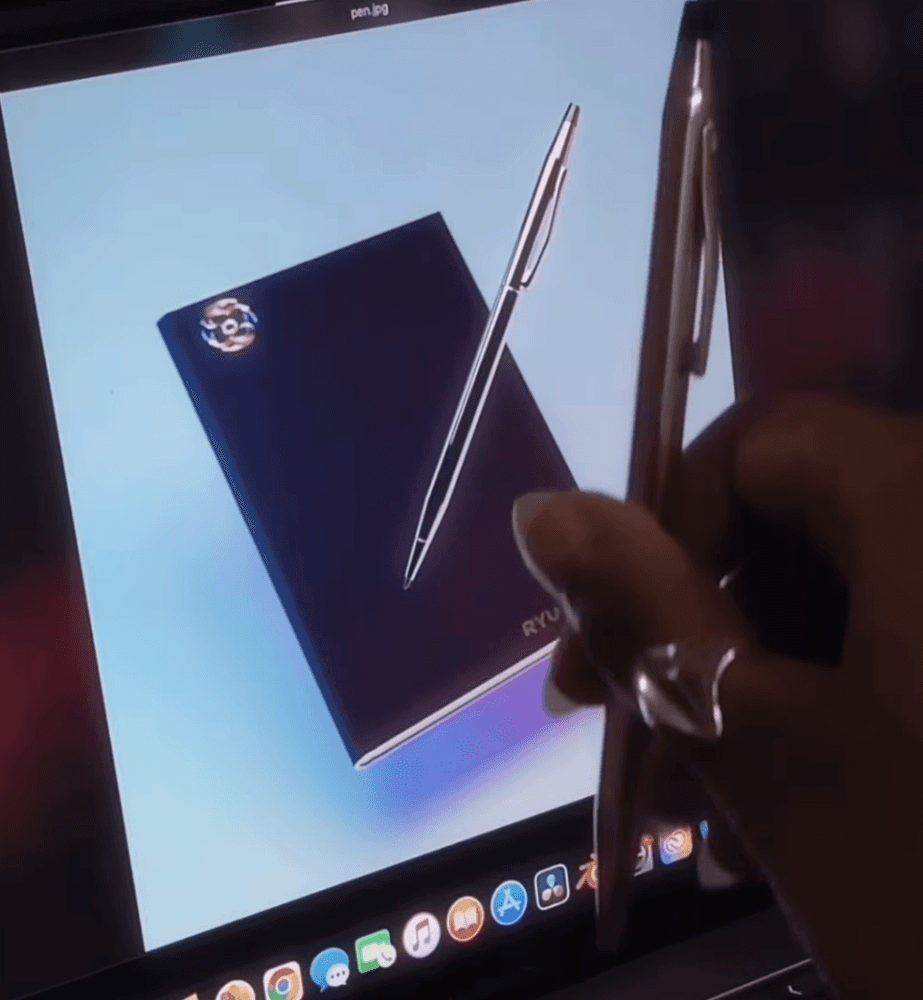
So I decided to replicate it in 3D.
Main Discussion
Why replicate something that already exists?
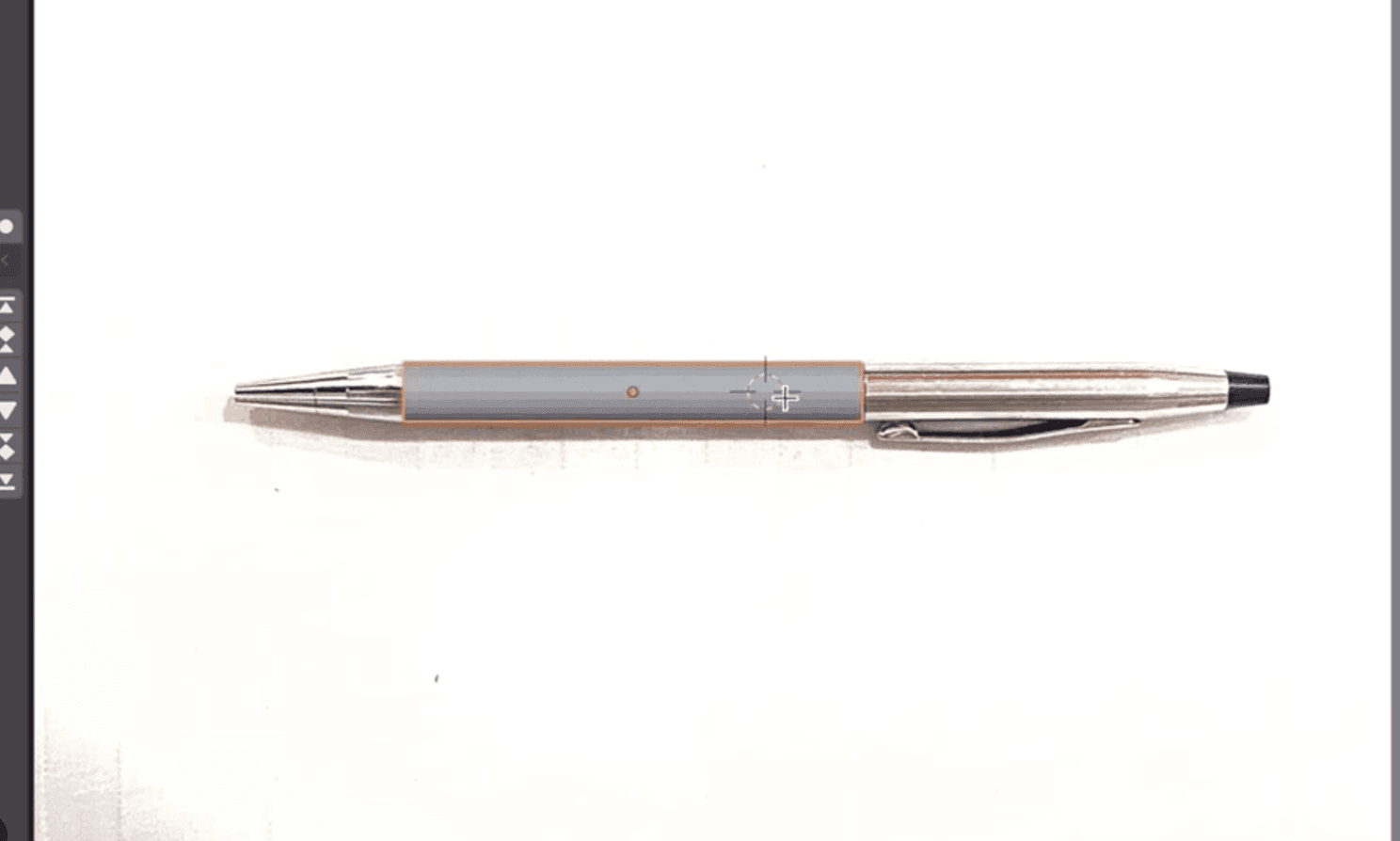
Because replication forces you to see. You can't model something accurately without understanding its proportions, the way light catches the barrel, the slight taper at the clip. You notice things you've touched a thousand times but never consciously registered.
The process became a study in attention. How do you capture not just the shape, but the feel of an object? How do you translate physical weight into digital form?
Key Takeaways
What digitization actually does:
Once the pen existed as a 3D file, it could be shared, modified, reimagined. The physical pen will wear down eventually. Get scratches, dents, maybe I'll lose it. The pen's structure can now inform other designs. Function as a stylus, a piece of furniture, whatever. Populate 3D spaces I design in the future like a little easter egg. Digital objects and mini projects like this are starting points to refining skill and broaden possibilities.
So what else gets immortalized?
Objects we're attached to. Designs worth studying. Things that matter enough to spend a couple hours reverse-engineering in Blender.
This pen was just the beginning.